How LinkedIn became cool again
A few years ago, LinkedIn reinvented itself.
It was no longer seen as a boring CV database but as the number #1 publishing platform for business-related content with 1.1 billion active users.
LinkedIn offered four content types initially: LinkedIn Pulse articles, text-only posts, photo posts, and link posts.
For a long time, the LinkedIn algorithm favored text-only posts in their newsfeed.
A well-written text post could quickly go viral and attract 10,000 to 100,000 views.
Some posts even got several million views and thousands of likes, comments, and shares.
When LinkedIn introduced native video to its platform, the number of impressions for text posts started to decline in favor of videos.
Suddenly content creators were forced to create video posts to appear up in other people's newsfeeds again.
High-quality videos could easily see 10,000 to 50,000 views.
Business and marketing-focused videos performed very well.
But also videos about career advice, mindset, and success in life did a great job.
The Drop of Organic Reach
In September 2018, LinkedIn introduced some radical changes to its newsfeed algorithm.
Most content creators noticed a significant drop of 50% and more in their organic reach in all posts.
The big question was: Where did all the views go?
I did a bit of research and noticed four patterns:
- The number of ads in the newsfeed had increased
- A significant number of internal ads for the LinkedIn learning platform and specific courses started to show up
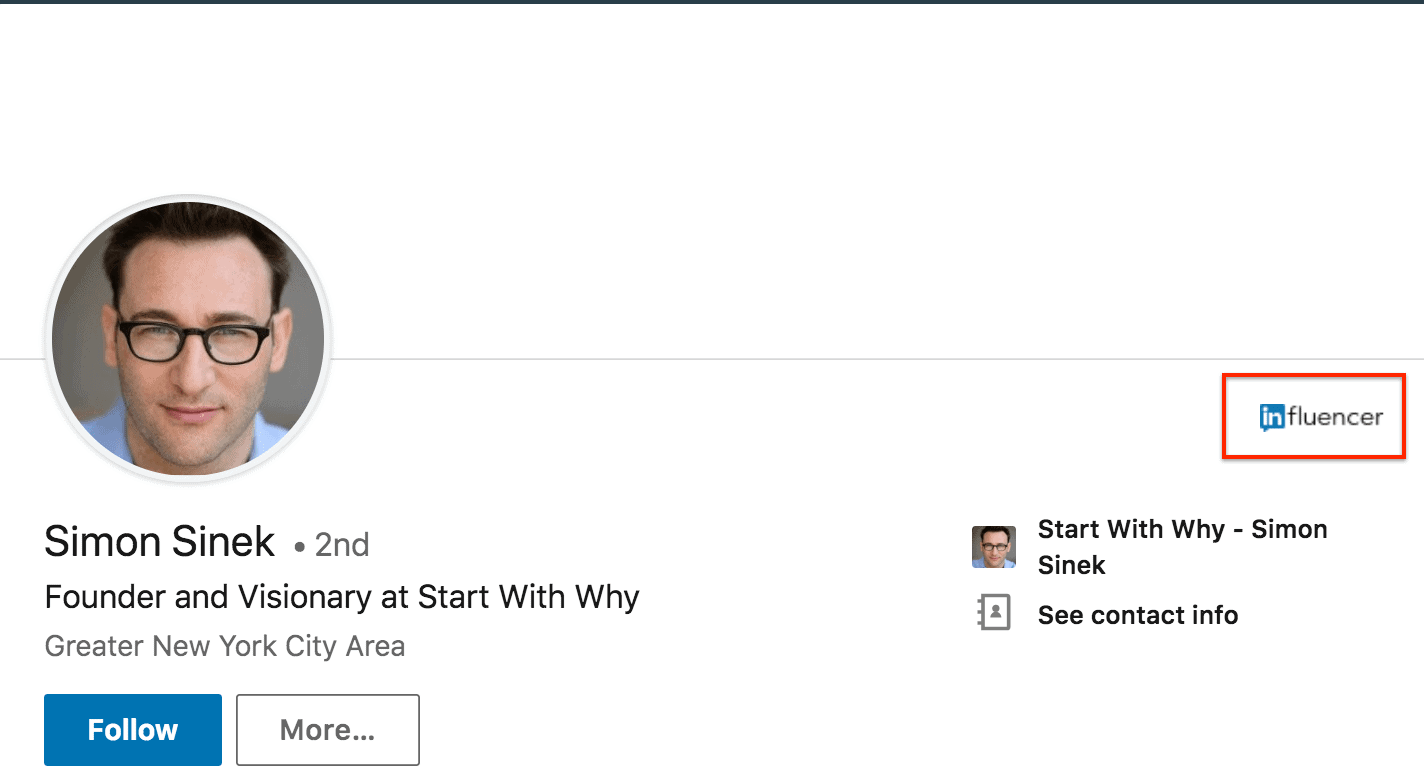
- LinkedIn Influencers with a blue icon started to get more engagement
- External articles on prominent media outlets received thousands of likes.
You can read my analysis in more detail in my article about organic reach on LinkedIn.
Curated content by the LinkedIn editorial team
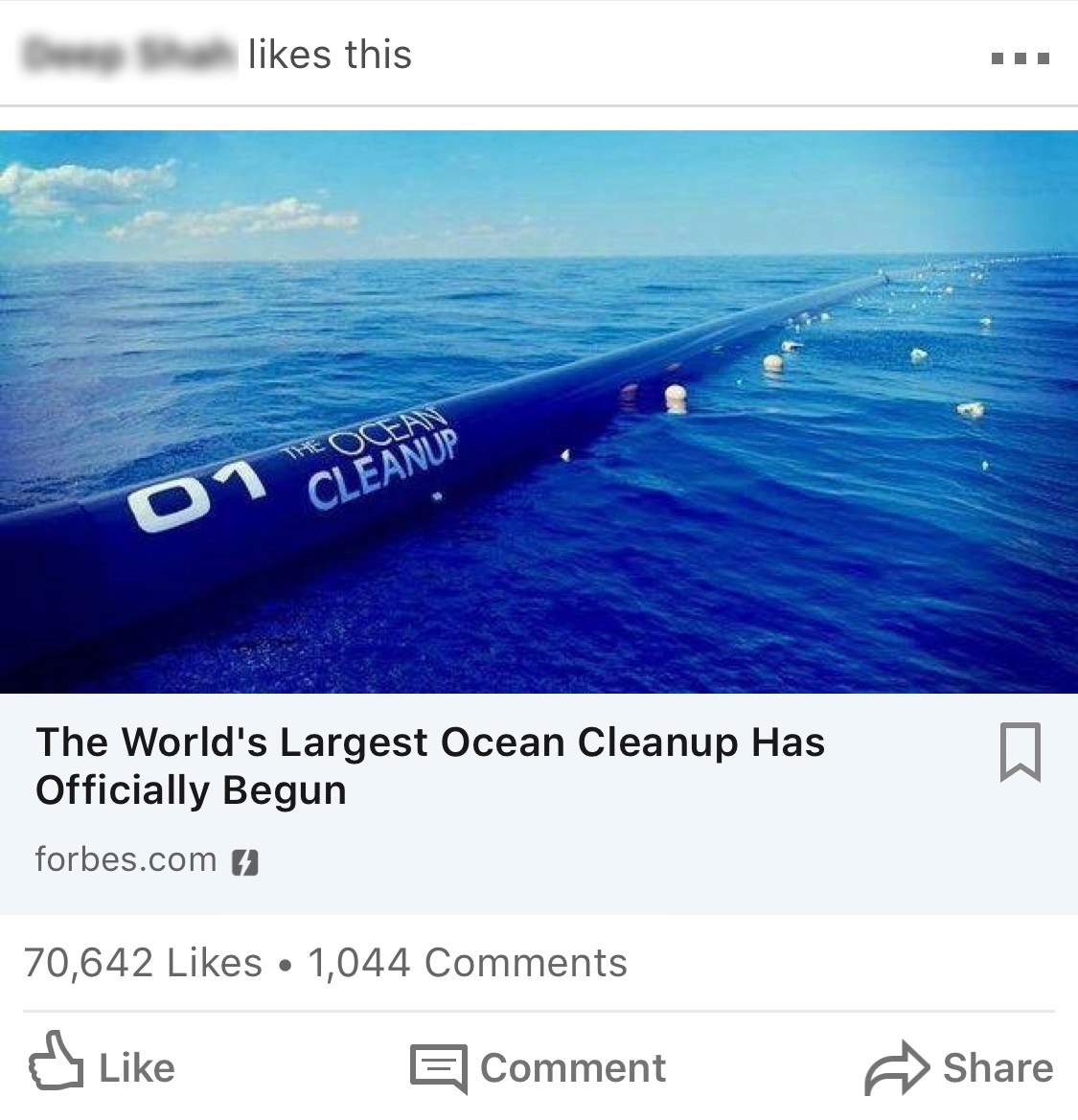
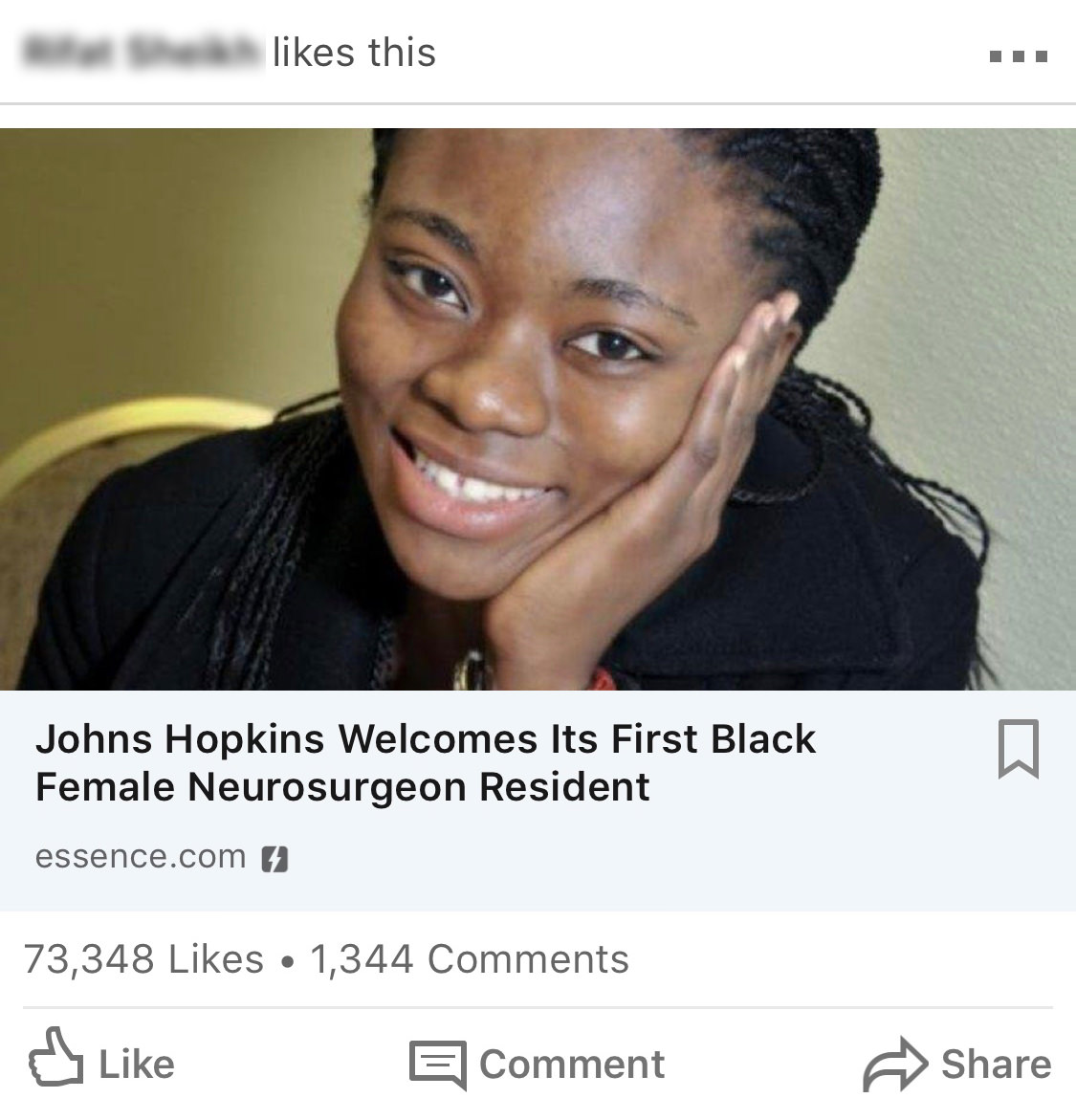
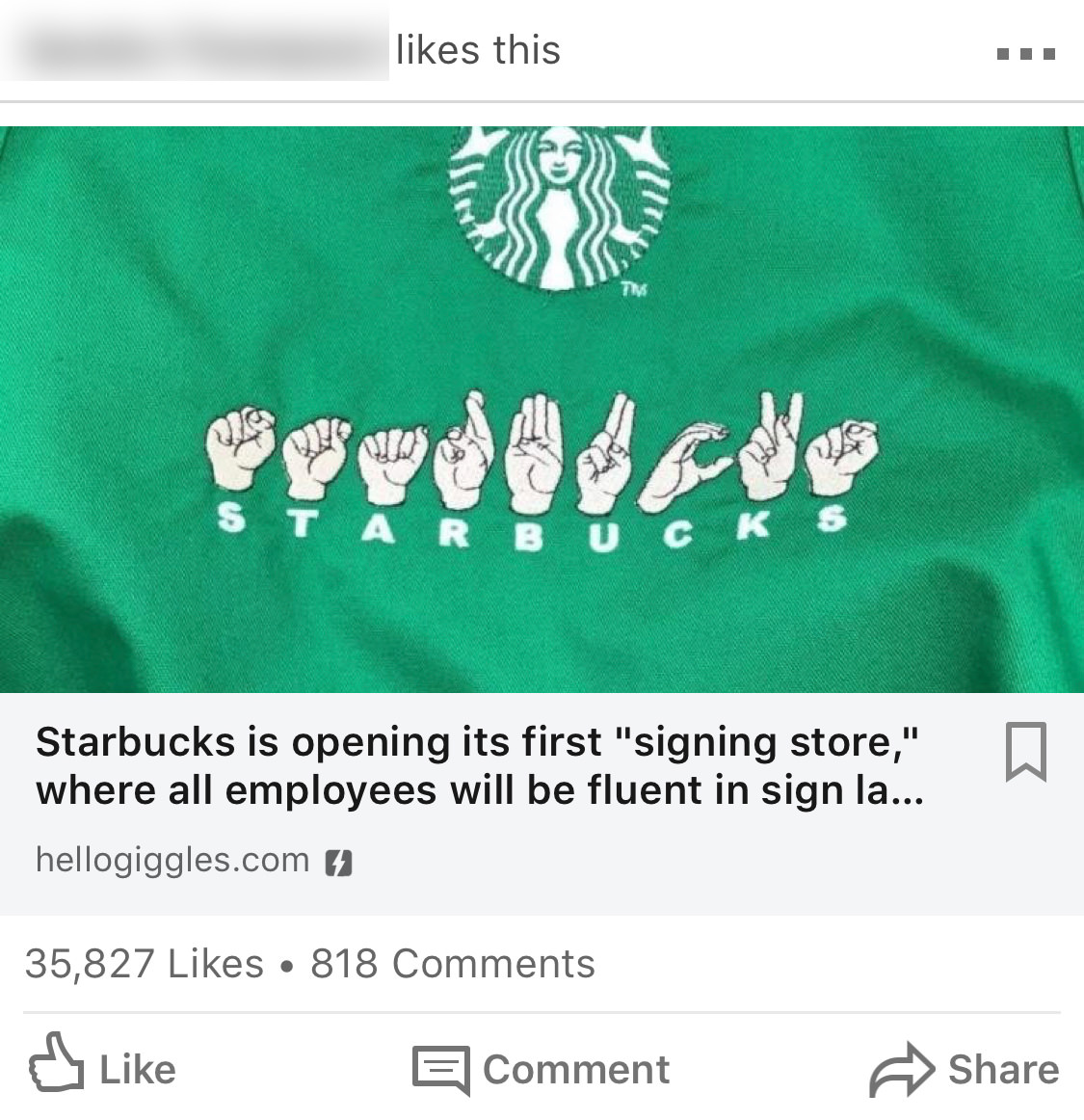
Here are a few examples of LinkedIn content with high amounts of engagement.
It is essential to notice that the following two articles were not "shares" by LinkedIn members.
They were natively injected into the newsfeed for people who follow specific hashtags.
The most likely explanation for the extreme amount of engagement is that a LinkedIn editor has manually curated these articles and has given them a manual boost to outrank other newsfeed content.
Another observation I made was that articles were AMP versions, meaning that a cached version was served via LinkedIn itself.
Have a look at the tiny lightning bolt icon to the right of the domain name.
Content from official LinkedIn influencers
Before the "Drop" LinkedIn Influencers, on average, with a few exceptions, had a much lower number of impressions and engagement in the newsfeed.
Now, most posts get a much engagement on average.
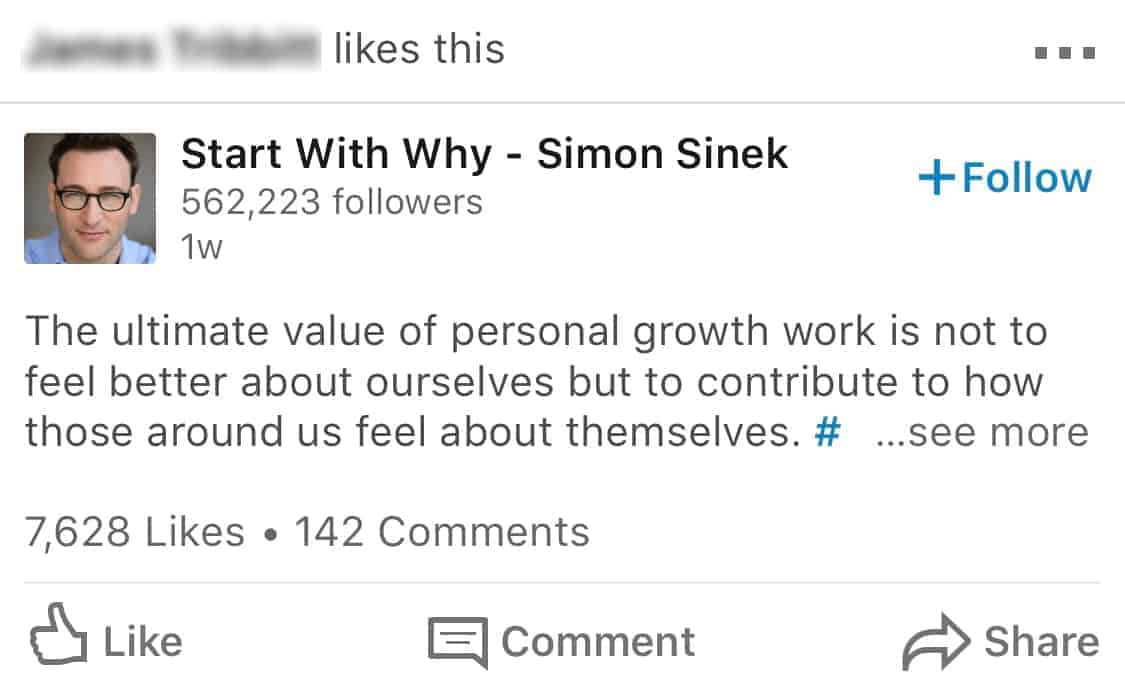
Here is an example of a typical LinkedIn Influencer post:
Promotion of LinkedIn products
LinkedIn Learning (formerly Linda.com) is now part of LinkedIn Premium.
As such, LinkedIn is trying to push courses and create awareness for its platform by actively sharing specific courses, often related to particular skills listed on people's LinkedIn profile, in the LinkedIn newsfeed.
Why Is LinkedIn Changing Its Algorithm?
Even if we don't like it, LinkedIn is foremost a for-profit organization.
LinkedIn's third quarterly SEC filing in 2016 showed that its annual earnings were $960 million.
For a precise breakdown of this amount, we must rely on 2016 data.
After Microsoft acquired LinkedIn, it stopped publishing a detailed breakdown and only mentioned "LinkedIn revenue primarily consisted of revenue from Talent Solutions." in its 2018 Third Quarter Form 10Q.
LinkedIn's three primary income sources in 2016 were:
- Talent Solutions (Recruitment) with $623 million (65% of total revenue)
- Marketing Solutions (Ads) with $175 million (18% of total revenue)
- Premium Subscriptions (Sales) with $162 million (17% of total revenue).
Now, $175 million is a lot of money, and LinkedIn would be foolish to expect that people would pay for expensive LinkedIn ads if companies could achieve the same results organically instead of paying for them.
Instead of creating viral content to attract the perfect candidate for a new job opening, LinkedIn wants companies to invest in a LinkedIn Recruiter subscription.
The same is valid for selling products and services. LinkedIn wants companies to buy LinkedIn Ads and invest in a LinkedIn Sales Navigator subscription, ideally for the company's entire sales and marketing team.
What Can You Do To Mitigate the Impact of the Algorithm Changes On LinkedIn?
Unfortunately, there is not much that you can do about LinkedIn's company strategy.
Algorithm changes are part of social media marketing. We have seen many similar changes in the past.
The most prominent examples are Facebook Pages, of which organic reach is almost non-existent today.
Complaints about it didn't change Facebook's mind, nor would they change LinkedIn's.
What we can do is to make the best out of the situation and to work towards future-proofing ourselves.
Here are my top recommendations:
- Diversify your content and distribution
- Build a powerful brand
- Convert your website into a lead generation magnet
- Grow an email list with potential clients
- Build strong networks
- Join my LinkedIn Accelerator Program
Content diversification and distribution
It is never a good idea to rely solely on just one specific content type.
Social media networks make constant changes to their preferred content types all the time.
Mastering and creating your bespoke content mix for your LinkedIn strategy is an important aspect of my LinkedIn Accelerator Program.
Here is a quick summary of which factors you have to incorporate into your LinkedIn strategy:
Content types
The best way to protect yourself against this is to master several content types simultaneously.
- Texts
- Photos
- Videos
- Articles
- Live-streaming
- Stories
- Emails
- Engagement
If a social media network supports more than one content type, for example, Facebook or LinkedIn, make sure to mix them up.
Content chunk size & depth
Not only the content type is essential, but also its depth. I always break down content types into three different chunk sizes:
- Long (Articles, podcasts, YouTube videos, live streaming, ...)
- Short (Text, photo posts with descriptions, ...)
- Micro (Tweets, ...)
Content workflow optimization & repurposing strategy
If you want to incorporate several content types and chunk sizes it's important to create a content creation workflow that fits your schedule and incorporates a content repurposing strategy to save time and resources.
Take one idea and create multiple forms of content from it.
- An article can be summarized in many short-form text posts
- The same text can become a description for an image post
- You can talk about an article, text, or photo in a video
- You can create short clips from longer videos and post them on other platforms
- Videos can be turned into audio files and become part of a podcast
There are a million different ways of creating content in bulk and repurposing it. Use them.
Use different content types for different audiences
Some people are more visual; others prefer to read texts. By mixing it up, you attract a diverse audience, and everyone can enjoy your content.
Using different content types also allows you to attract different audiences.
Create different chunk sizes of content and re-publish them across all social media networks.
Multi-placement content strategy
Within each social network, take advantage of the different channels. For example, on Facebook and LinkedIn, you can post content on your personal profile, on a company page, and in groups. Use all channels!
Some social media networks will initially grow slower than others, and that's perfectly fine. What's important that you allow people to consume your content wherever they are.
Many people are very active on one social media network and then spend time on other platforms for a while.
By being everywhere, you're adjusting to their ever-changing habits and moods.
"If the mountain will not come to Muhammad, then Muhammad must go to the mountain"
~ Francis Bacon
Build a powerful brand for your business
Creating a personal brand for yourself or a more traditional brand for your company, products, and services is one of the most powerful ways to become resilient against any social media algorithm changes.
I talk a lot about building a strong brand on LinkedIn in my LinkedIn Accelerator Program. It's THAT important!
If you allow people to form an emotional bond with you and your mission, something very interesting happens...
People will start searching for you if you no longer show up in their newsfeed.
People who love what you're doing want to connect with you.
Make it as easy as possible for them to do that by cross-promoting your social media channels across all your social profiles, content, and website.
Even if you were not showing up in someone's newsfeed as frequently as before, they would still be able to see your content on other networks.
And then, who knows, share your Facebook content back to LinkedIn or vice versa. 🙂
Focus on your website
Your website strategy is so important!
Why?
Because you can never truly trust social media networks, they might shut down overnights without notice or at least cripple organic reach to unsustainable levels.
Your website, on the other hand will always be in your control.
Create a social media funnel and structure your content to get people to visit your website.
One of the best methods to do this is by creating lead magnets and content upgrades for every social media post.
The tricky part is to do this in a way, where your content doesn't get penalized for sharing "external links" such as your website.
I talk about how to do this, by using several cool external-link hacks in my LinkedIn Accelerator Program.
Create an email list
Ok, great...
People are visiting your website.
But, how can you make sure that they will visit your website over and over again in the future?
In today's fast-paced world, it's very easy to get distracted and then forget about it.
The best way to prevent this from happening is to build an email list.
Optin forms
This allows you to keep people in the loop via weekly or monthly newsletters! You can join mine via this link! 😉
This also works perfectly with lead magnets and content upgrades.
Lead magnets
On my website, you can download my LinkedIn Hashtag Guide.
Once people enter their name and email address, they will receive the download link in their inbox.
Remember: Your email address and website are the only two things you truly own.
LinkedIn vs. email list
What do you think is more powerful?
To have 100,000 followers on one social media platform?
Or to have 100,000 people on your email list?
You are in bad shape if the social media network shuts down or dramatically changes its algorithm.
Usually, social media networks don't announce changes; they happen from one day to the next.
When they do, it's often too late. Your announcement to move over to another platform might not be seen by most people anymore.
On the other hand, emails will always work (assuming that you always provide value and never are perceived as spam).
If you have people on multiple social media networks AND on your email list, you can inform everyone that you're now focusing on other social media networks.
If you want to learn how to grow your email list via LinkedIn, join my LinkedIn Accelerator Program today.
Build powerful networks
Social media can never be a one-sided one-way street from influencers to followers all the time.
You have to build real relationships with your audience.
One of the best ways how to do this is by engaging with other influencers in the form of comments and shares.
Leave meaningful comments whenever someone is publishing great content and start conversations.
Check out my LinkedIn Accelerator Program for how to do this most efficiently.
Your focus should be on creating genuine engagement and building real friendships, never on "engaging" to get something back.
If you can do that, you'll create a powerful network of like-minded influencers who are more than happy to return the favor and engage with your content in return.
If everyone in your network shares similar interests, your audience would likely be interested in their content and their audience in yours.
This way, you can quickly cross-pollinate each other's audience, grow faster together, and create more engagement for each other's content as an added benefit.
This, in return, triggers most social media algorithms into thinking that the content is of high relevance and quality and will reach more people organically.